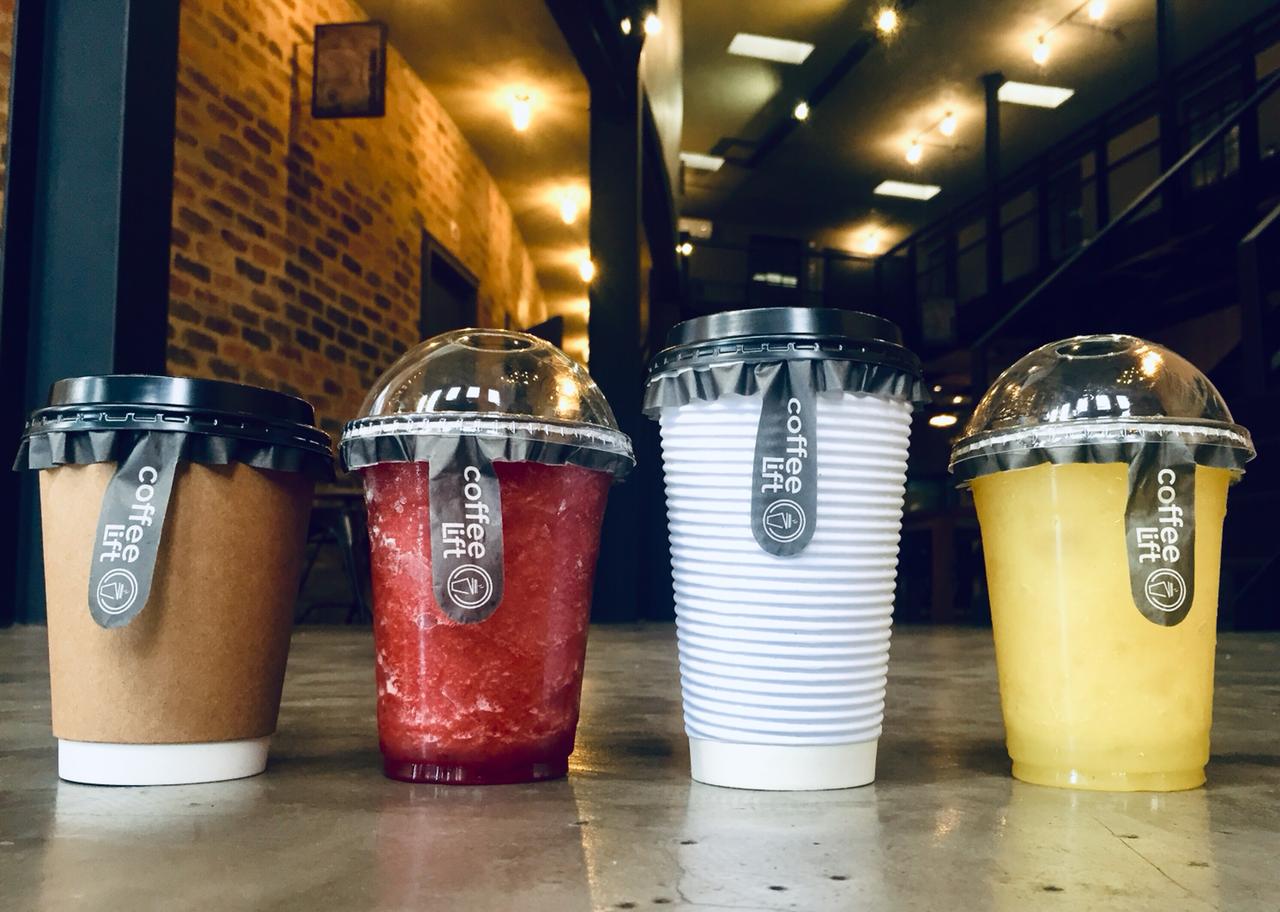
A spilled drink is one of the most common and most avoidable problems in food delivery. For restaurants, cafes, and QSRs, it means refund requests, replacement orders, and customers who simply stop reordering. For customers, it means a ruined bag, a messy unboxing, and a poor impression of the brand that made their meal.
The good news is that most delivery drink spills are preventable. They are not random accidents — they happen for specific, identifiable reasons. This guide covers those reasons and the practical steps operators can take to deliver takeaway beverages more reliably, from packaging choice to packing practice.
Understanding the cause is the first step. Beverage spills in delivery typically happen at one of three points:
Standard cup lids are engineered for dine-in or walk-out scenarios — a short journey in a relatively stable environment. Delivery is a fundamentally different condition. Braking, cornering, vibration, and the sustained tilting that happens inside a courier bag all apply lateral and vertical pressure to the lid. When the lid flexes even slightly, liquid escapes at the rim seal. This is the most common single cause of delivery drink spills.
Cold beverages sweat. As moisture accumulates on the outside of a cold cup, it also affects the lid's grip on the cup rim. A lid that fits snugly on a dry cup can lose purchase on a wet one, particularly in warmer weather or longer delivery distances. Iced drinks, cold brew, and refrigerated soft drinks are all vulnerable to this.
Hot beverages generate steam. In a sealed cup, that steam has nowhere to go, and the resulting pressure can push against the lid from below. Combined with movement during transport, this makes hot coffees, teas, and hot chocolates particularly prone to leaking at the lid interface.
Beyond the physics of the cup and lid, operators often make packaging decisions that increase spill risk without realising it:
A spill-resistant beverage insert — such as Beverage Seal's patented method — is placed between the cup rim and the lid before it is sealed. It creates a tighter, more secure fit at the interface where most leaks occur, helping to reduce spills during the handling and movement of delivery.
Beyond spill resistance, the insert also provides a visible tamper-evident seal. Customers can see that the cup was sealed after preparation, which matters increasingly in courier delivery where the operator has no control over handling between dispatch and doorstep.
The insert requires no equipment or machinery. It is applied by hand in seconds, fits into existing packing workflows without disruption, and works with both hot and cold beverages. It is certified food-safe, and is recyclable, compostable, and biodegradable. Learn more about delivery-safe beverage packaging on the Beverage Seal solution page.
Packaging alone is not enough. Operators who consistently deliver beverages without spills combine the right packaging with the right packing procedures:
The most common cause is liquid escaping at the cup-lid interface. Standard lids are designed for short, stable journeys — not for the sustained tilting, braking, and vibration of courier delivery. Even a well-fitting lid can flex under these conditions and allow liquid to escape at the rim seal.
Cup carriers help keep drinks upright and separated, which reduces tipping. But they do not address the cup-lid seal itself. A drink in a carrier can still leak at the lid during braking or cornering. For more reliable spill prevention, a cup carrier works best when combined with a sealed lid insert that reinforces the cup-lid interface.
The most effective method is to place a spill-resistant insert between the cup rim and the lid before sealing. This reinforces the cup-lid interface — the most common leak point — and provides visible tamper evidence. No equipment is required. The insert is applied by hand in seconds as part of the normal packing workflow.
Hot drinks require a lid with a secure snap-fit and a reinforced cup-lid seal to manage both movement and steam pressure. Insulated delivery bags help maintain temperature and reduce condensation on the outside of the cup. A spill-resistant insert at the lid interface adds an additional layer of protection against the pressure build-up that makes hot drinks particularly prone to leaking.
The most practical steps are: use lids that match the cup size precisely; add a spill-resistant insert between the cup and lid; use a delivery bag with a dedicated cup compartment; and train staff to a consistent packing standard. For cafes that already experience coffee spill complaints, tracking delivery-specific refund and complaint data by drink type is a useful first step to identifying the highest-priority problem to solve.
Tamper-evident packaging and spill-resistant packaging serve related but different purposes. A tamper-evident sticker covers the drinking hole and provides visible reassurance that the drink has not been interfered with — but it does not reinforce the cup-lid seal. A spill-resistant insert addresses the seal directly and also provides tamper evidence, making it a more complete solution for delivery operators concerned with both hygiene and spill prevention.
Beverage Seal's patented insert is used by cafes, QSRs, restaurants, and delivery operators across the USA, UK, Canada, South Africa, and beyond. It requires no equipment, fits most standard cup types, and takes seconds to apply. Request a sample to see how it performs in your operation, or speak to the team about distributor and wholesale enquiries.